
Programme
10:00–10:30 Gathering, registration, and morning coffee
Informative and useful themed booths are open, where you can learn about organizations that offer support and practical solutions for children and families
In Tallinn: Rajaleidja, Eurodesk, Tarkvanem.ee, Integration Foundation, Tallinn Education Department
10:30–10:40 Conference opening
Opening remarks by moderator Anu Välba
Opening remarks by the Education and Youth Board, Director General Jaak Raie (in Tartu), Head of Department of Educational Innovations Liina Kanter (in Tallinn)
Opening remarks by the Ministry of Education and Research: Deputy Secretary General Kairi Kaldoja
10:40–10:50 What are our biggest challenges as parents?
10:50–11:30 How do multicultural developments in society affect children and parents?
Irene Käosaar, Headmaster of Narva Estonian Gymnasium
What changes in society and in education are affecting your child?
What kind of support does a child need today and tomorrow, more so than yesterday, in the context of an increasingly multicultural and multilingual environment?
How can you recognise signs of stress in a child’s behaviour?
What practical advice will you hear today? An introduction to the advice given on the Smarter Parenting Day.
11:30–12:00 Break; visitors can explore the Informative and useful themed booths
12:00–12:30 How can you nurture and support your child’s sense of belonging in an increasingly diverse learning environment?
Triin Kahre, Psychologist, family therapist and trainer (in Tallinn, Pärnu and Jõhvi)
Õnne Uus, Lecturer in Educational Psychology, clinical psychologist, family therapist, member of the PeVa (Family and Parenting) research group at Tallinn University (in Tartu)
How can you tell if a child isn’t truly part of the group in class or among friends?
How can you support a child’s sense of belonging in a classroom with students from different linguistic or cultural backgrounds?
How can you recognize a child who is being left out or is too afraid to ask for help?
How can parents support their child’s friendships and self-confidence?
12:30–13:00. How can you maintain a child’s mental well-being and health?
Umberto Geerts, social pedagogue, trainer, teacher
How can you prevent mental health issues in children?
If that doesn’t work, what are the warning signs?
How can you talk to a child in a way that encourages them to share their concerns?
How can you help yourself, and how can you get support from educational institutions or specialists?
13:00–13:30 How can you be a good parent when you yourself need support as a parent?
Karmen Maikalu, school psychologist, family therapist
How can you be a good parent even when you’re going through a difficult time yourself?
How can you recognize and manage a parent’s feelings of guilt, self-criticism, and burnout?
What realistic expectations and self-care strategies can help parents cope better?
Who supports parents, and where can you find your community?
13:30–14:15 Lunch; Informative and useful themed booths are open
14:15–14:45 Brain, Mind, and Digital Peace: How to Stay Focused in a World Full of Distractions
Tauri Tallermaa, memory coach and trainer
Why is it so easy for smart devices to grab our attention?
How can we establish realistic screen time agreements at home?
How can we reduce arguments about screen time within the family?
How can we improve our own and our child’s ability to concentrate?
14:45–15:30 Children’s and teens’ experiences: What actually works in real-life challenging situations?
15:30–16:15 Parents’ experiences: What has helped other parents?
What experiences have helped families get through difficult situations?
How have families helped their children adapt to a multilingual and multicultural learning environment?
How have parents found support from schools, the community, or specialists?
In Tallinn: Liisi Koikson (parent, singer), Uljana Kuzmina (parent, ERR television journalist), Gabor Szirko (parent, doctor)
In Tartu: Ruslan Trochynskyi (parent, musician, music teacher), Mustafa Çelik (parent, television operator)
In Pärnu: Liisi Koikson (parent, singer), Ruslan Trochynskyi (parent, musician, music teacher)
In Jõhvi: Ruslan Trochynskyi (parent, musician, music teacher), Mustafa Çelik (parent, television operator)
16:15–16:30 Closing Remarks
Conference summary by moderator Anu Välba
16:30–17:00 Opportunity to explore informative and useful themed booths

Speakers at Smarter Parenting Day
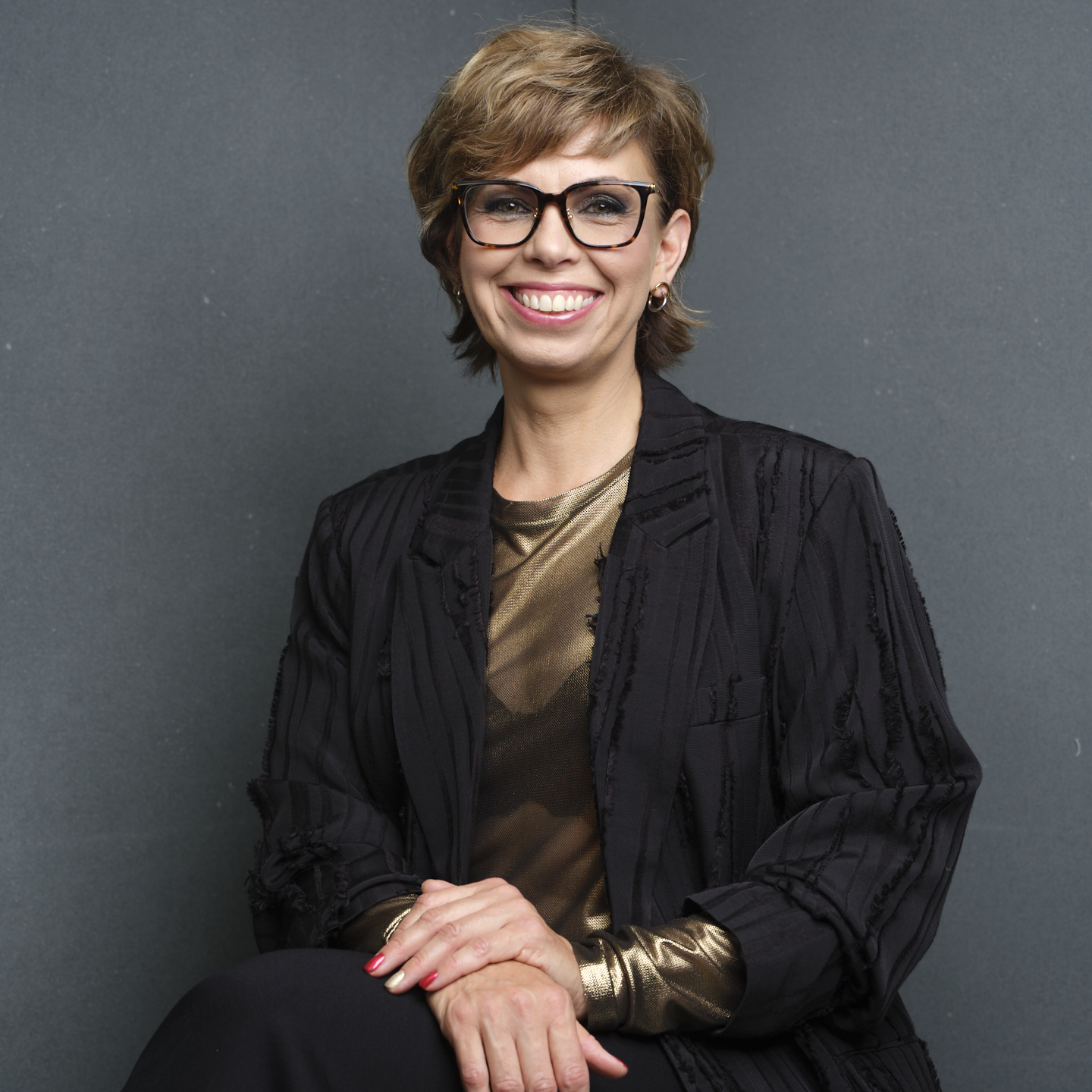
Anu Välba
Television and radio editor, show host
Anu Välba has been active in the Estonian television and radio landscape for over 30 years – as a presenter, editor and producer. She has hosted and edited the much-loved programmes ‘Terevisioon’, ‘Paar’ and ‘Ringvaade’, and, since 2015, the talk show ‘Hommik Anuga’. Anu has been involved in numerous music, entertainment and special-occasion programmes, and has hosted major live broadcasts and high-profile events. Her work has been recognised with several television and media awards, including the EFTA award for Best Show Host and the title of ‘Alumnus of the Century’ from Tallinn University.
Alongside her work and other commitments, Anu is also the mother of a wonderful son.
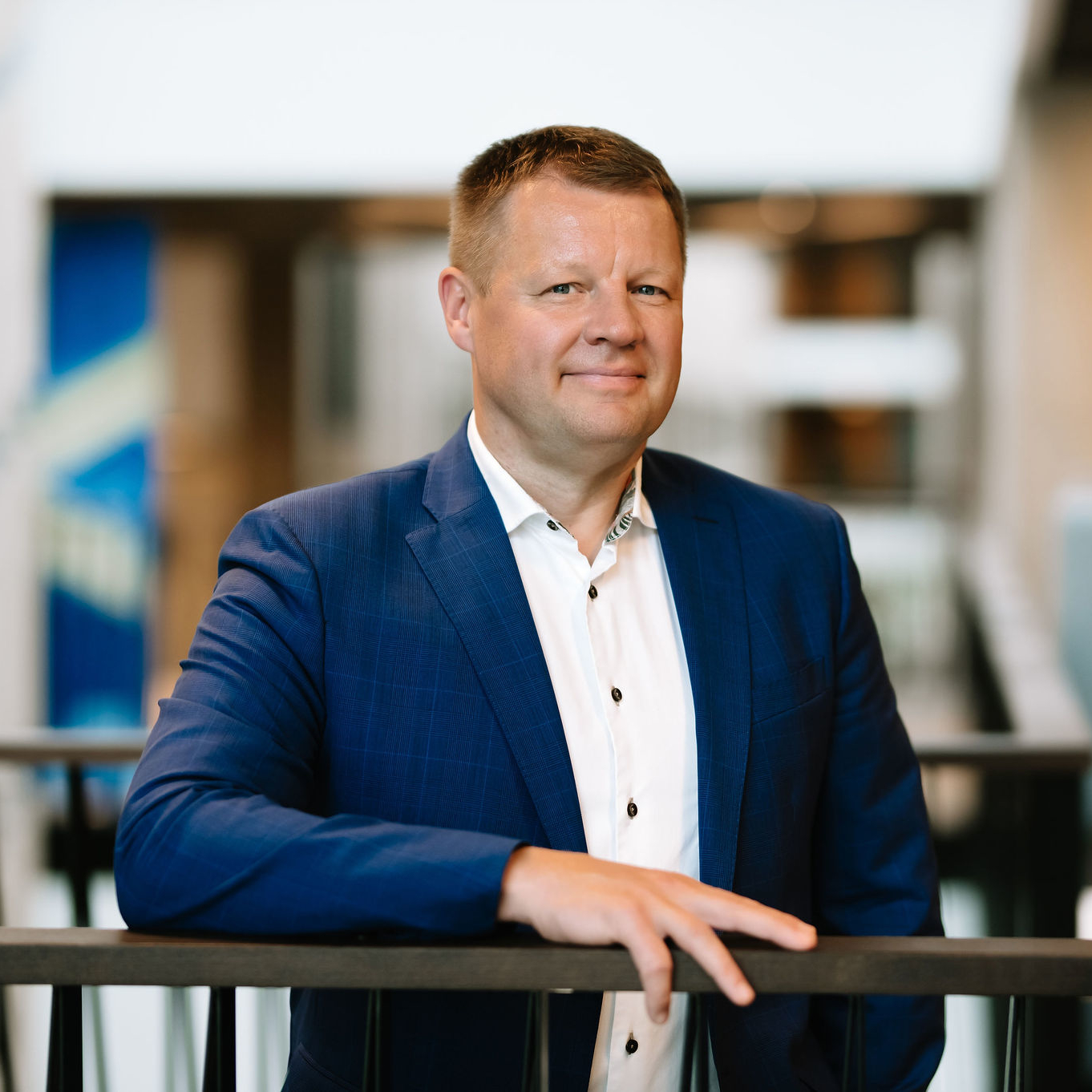
Jaak Raie
Director General of the Estonian Education and Youth Board
Jaak Raie is the father of three daughters. Two of them are already adults, but as we all know, parenthood does not end when children grow up.
The world of children, young people and learning has featured in Jaak’s life from various angles. His grandfather was a long-serving headteacher, Jaak himself has been a basketball coach, and to this day he remains very much a sports educator at heart. He believes that progress comes from practice, feedback and, at the right moment, a little encouragement.
Today, Jaak leads the Education and Youth Board and deals every day with issues that are very close to parents’ hearts: how learning and school are changing, what a parent’s responsibility is for their child’s development, how to make good choices on the path to learning, and what skills are needed to face the future.
When Jaak isn’t busy with education, basketball or music, he can usually be found by the water, as he is a keen fisherman. As a father of three daughters, a coach and a leader in the field of education, he will bring together both his personal experience of parenting and a broader perspective on how to create the world’s best opportunities for the learning and development of children and young people at Smarter Parenting Day.
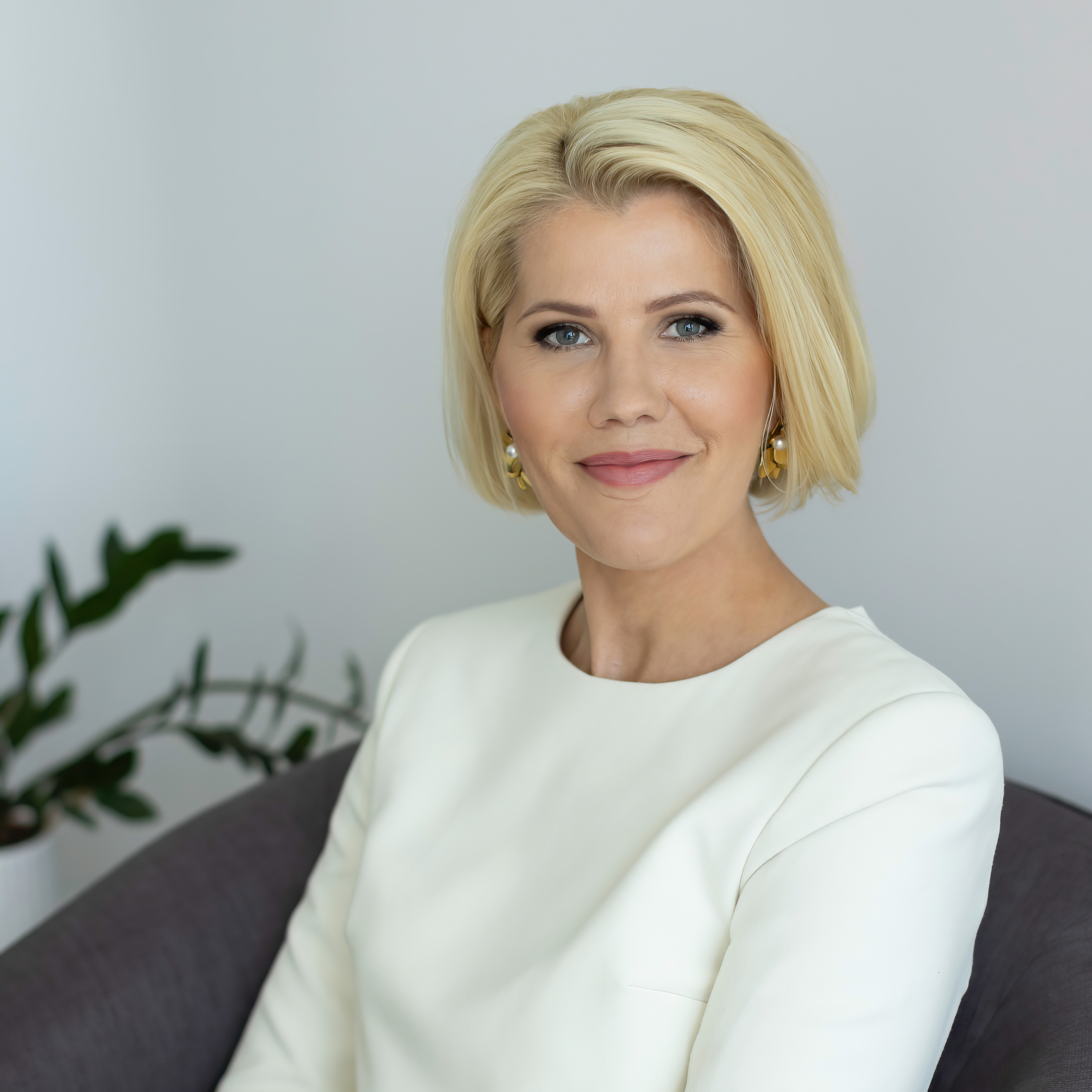
Liina Kanter
Head of the Educational Innovation Department at the Education and Youth Board
Liina Kanter leads the Educational Innovation Department at the Education and Youth Board, whose responsibilities include sustainable and modern learning, digital and artificial intelligence skills, IT and engineering education, vocational skills and sustainability.
Liina has extensive experience in shaping policies relating to children, families and equal opportunities. She has previously worked in child protection, as an adviser to the Minister on family policy, and headed the equality policy division at the Ministry of Social Affairs. She is also a member of the Chancellor of Justice’s Human Rights Council and the board of the Sustainable Business Association.
As a mother of a 12-year-old son, Liina views changes in education from the perspectives of the system, a leader and a parent. She believes that whilst we cannot prepare children for everything that lies ahead, we can equip them with the skills, self-confidence and a supportive environment that will help them cope with change. To achieve this, educational institutions, the home and society must be prepared to learn alongside the children.
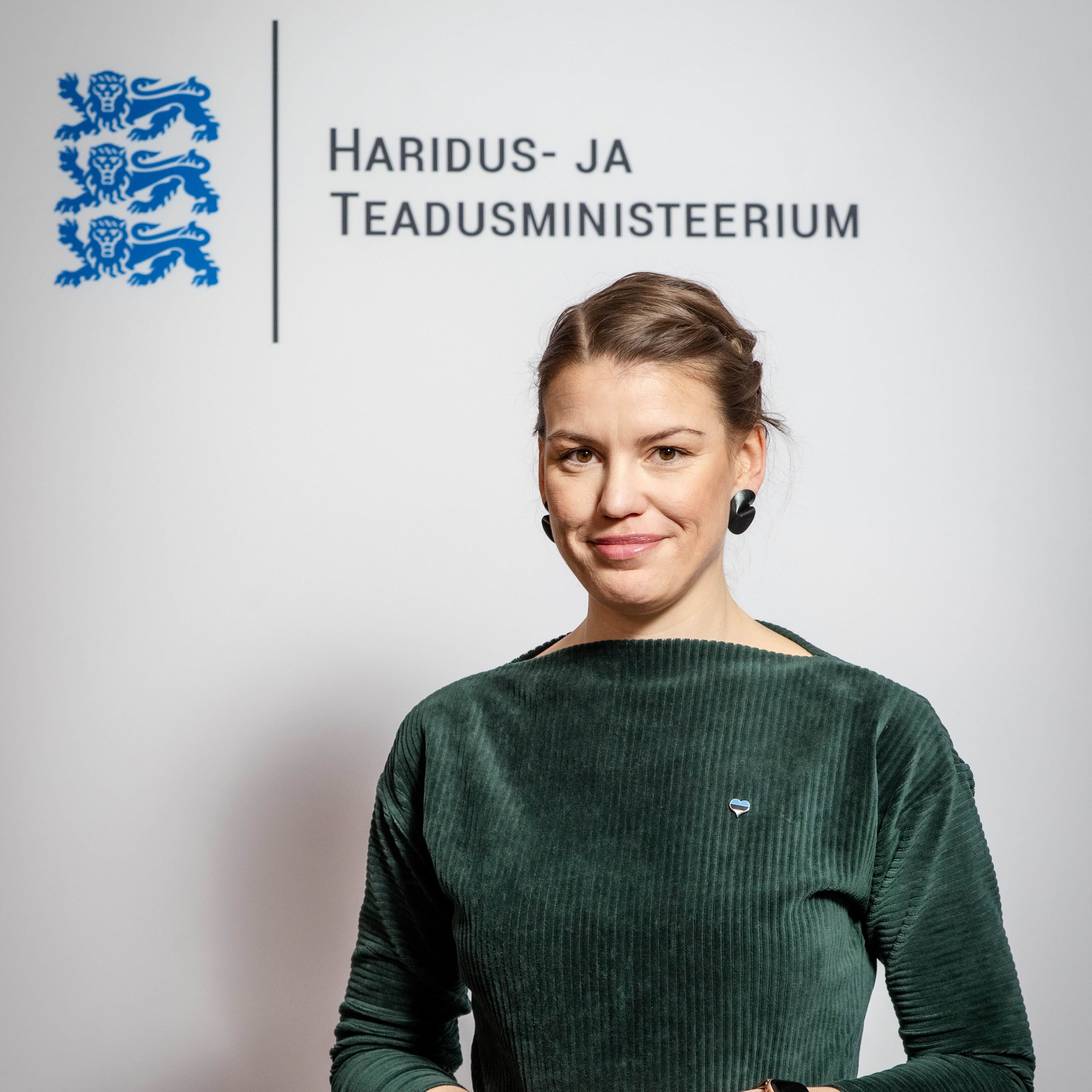
Kairi Kaldoja
Deputy Secretary General for Language Policy at the Ministry of Education and Research
Before joining the Ministry of Education and Research, Kairi Kaldoja worked at the Public Prosecutor’s Office. Although she came from a somewhat different world, language has always been an important tool for her. The noble aim of bringing people together, uniting them and making oneself understood by others – language is a great opportunity, but also a responsibility. Creating value and working for the good of the country is something she has no intention of swapping for anything else for some time yet.
Had Kairi not gone to university to study law, however, she would have very much liked to become a symphony orchestra conductor! The challenge of getting several dozen musicians to play together in such a way that everyone knows what they’re doing, takes others into account, takes their solo at the right moment and allows others to do the same in good time is simply such an enticing challenge for her! Every time he sees Kristiina Poska in front of the orchestra, he still feels a twinge of envy.
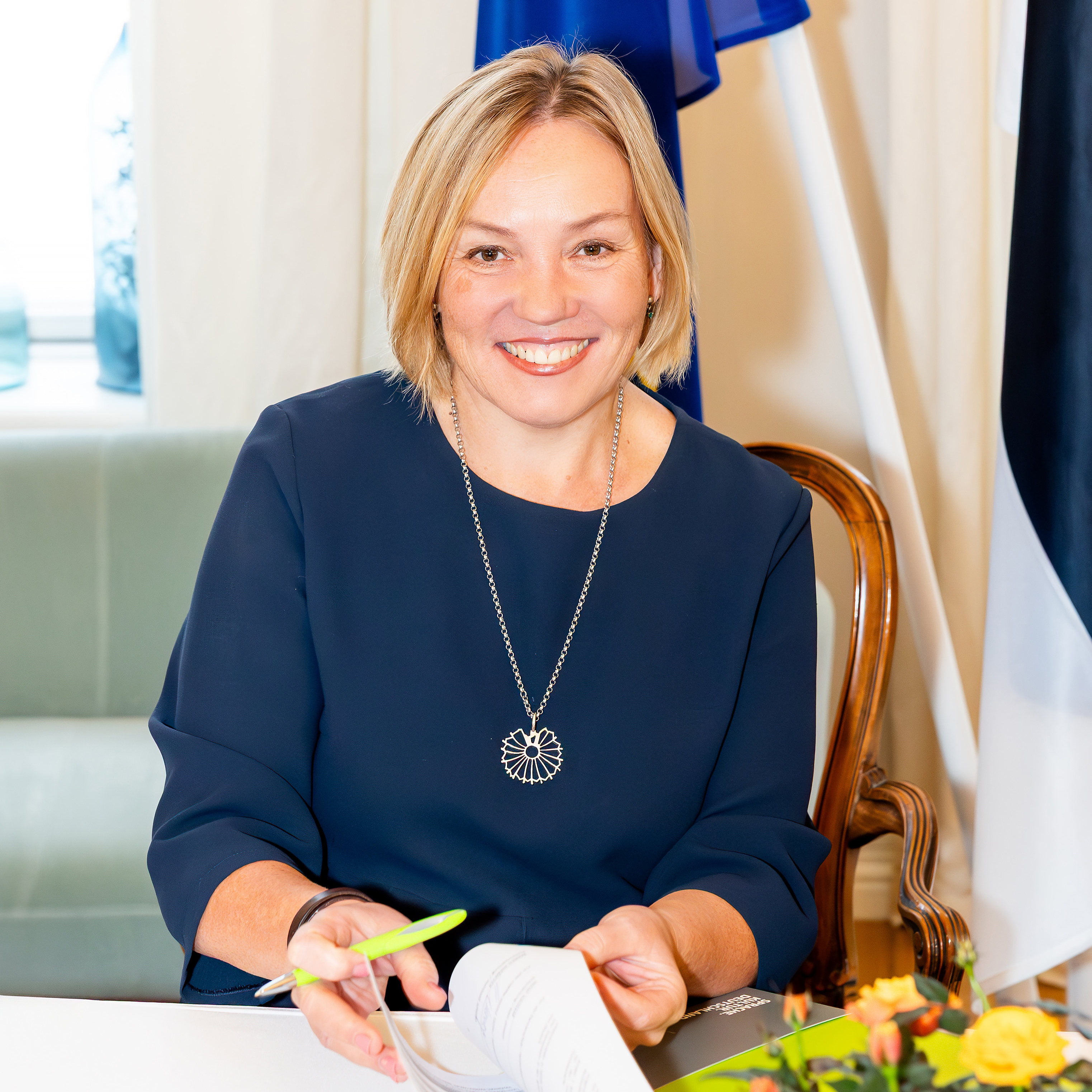
Irene Käosaar
Headmaster of Narva Estonian Gymnasium
Throughout my professional life, I have followed a spiral of themes centred on education and integration. I graduated from the University of Tartu with a degree in Estonian as a Second Language and worked as an Estonian language teacher at a school where Russian was the language of instruction for eight years. My subsequent professional journey led me to become Head of the Language Transition Centre at the Integration Foundation in 1999, Head of the General Education Department at the Ministry of Education and Research in 2007, and subsequently Director of the Integration Foundation in 2017. At heart, I have always been a teacher, and so five years ago I fulfilled my dream and set about establishing a new state grammar school – Narva Estonian Gymnasium; today, I also lead two primary schools in Narva, and together we form the Narva Estonian Education Campus. I live by the principle that, within my own value system, I am always true to myself – as a mother, a sister, a friend, a colleague, a partner, a daughter, a leader… I am the mother of two grown-up sons and the grandmother of a lively little boy – these three are the centre and backbone of my world.
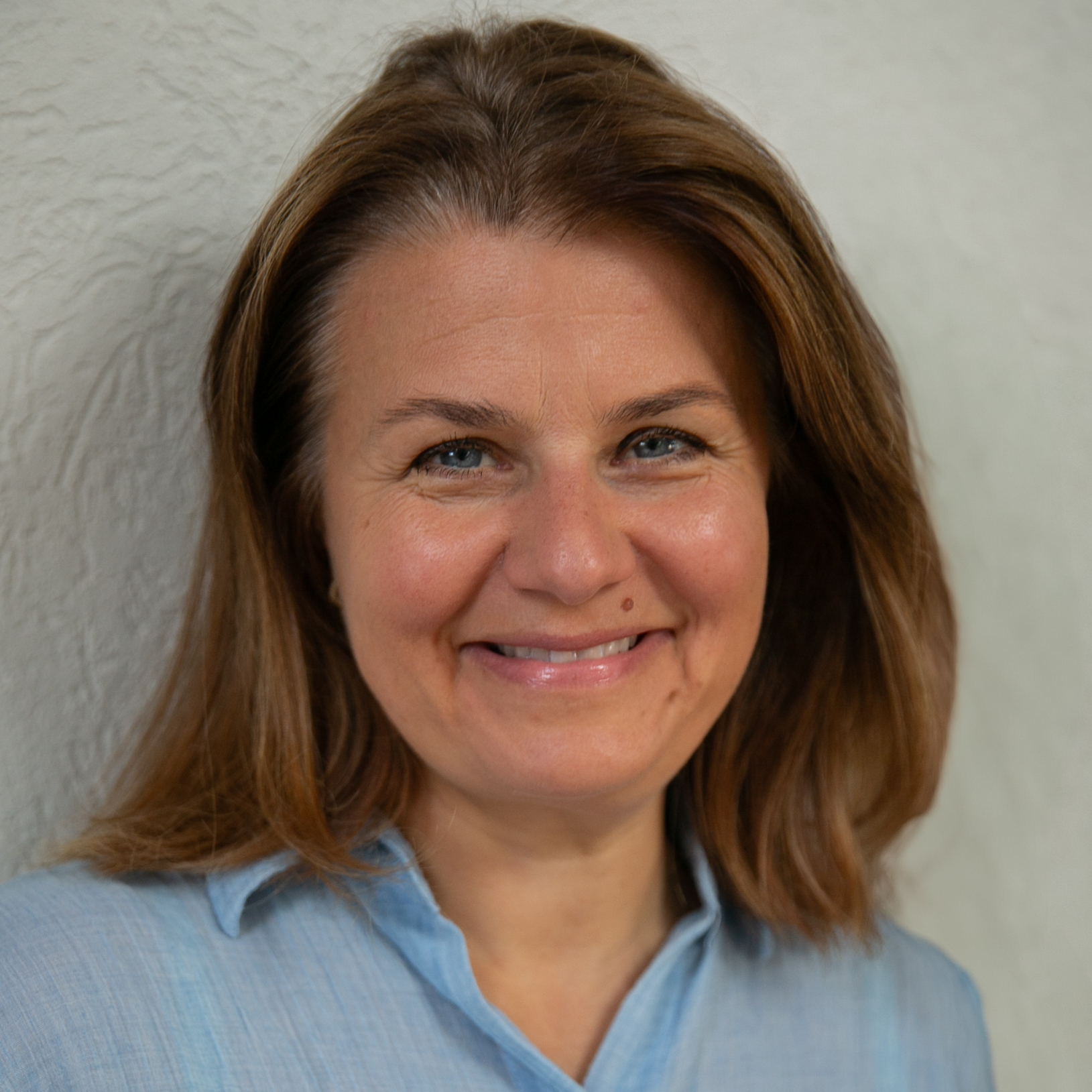
Triin Kahre
Psychologist, family therapist and trainer
Triin Kahre is a psychologist, family therapist and trainer with extensive experience as both a teacher and a school psychologist. For the past ten years, she has dedicated herself to working with families, focusing primarily on family relationships and how they function.
In addition to her practical work with families, Triin teaches family psychology and therapy to various professionals, students and trainee family therapists. She also supervises practising therapists, supporting them in their professional development.
Triin is in a long-term relationship and has three daughters, two of whom are already adults. In her spare time, she enjoys travelling, watching high-quality crime series and playing tennis.
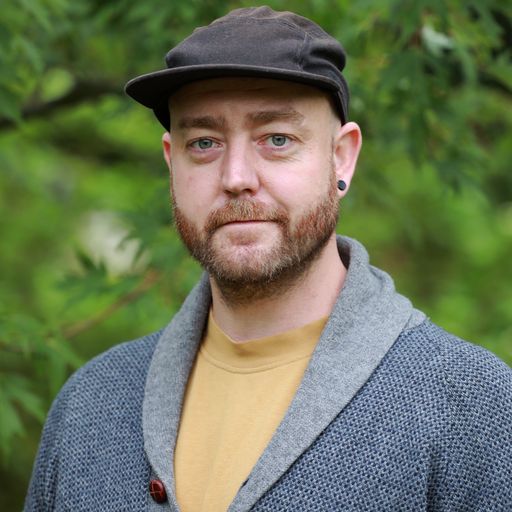
Umberto Geerts
Social pedagogue, trainer, teacher
Umberto was born in the Netherlands and studied social work and social policy. As a trainer at Peaasi.ee, he runs mental health first aid training sessions for parents and young people, dialectical behaviour therapy groups for young people, and training courses for practitioners of the ‘Let’s Talk About Children’ method.
At Tartu Herbert Masing School, he works as a social pedagogue and teacher and is responsible for the parents’ school programme designed for parents of children with mental health issues. For the past ten years, he has worked as a parenting trainer, running the ‘Wonderful Years’ and ‘Caring Fathers’ programmes.
Umberto lives in Tallinn and is the father of three sons (aged 6, 10 and 14).
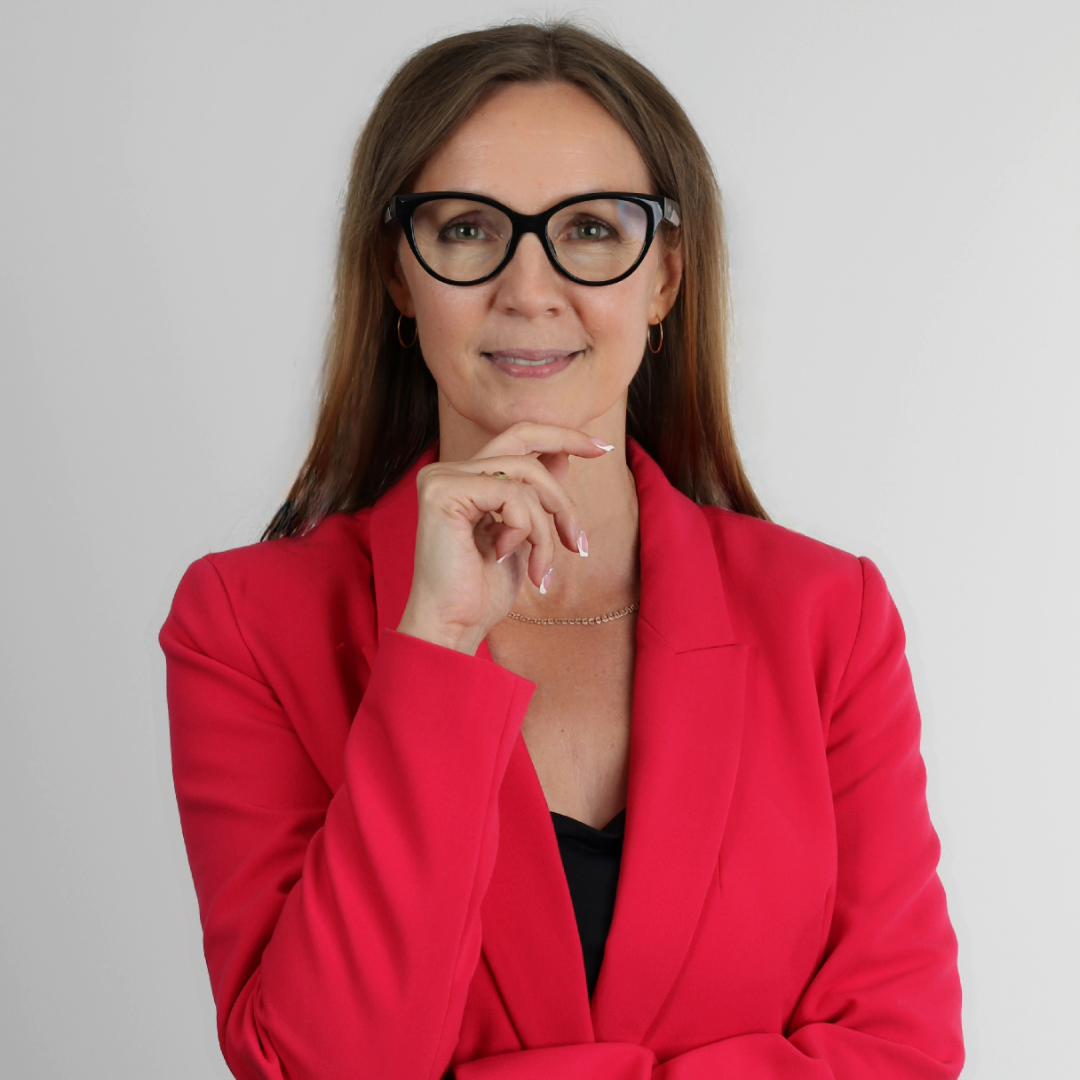
Karmen Maikalu
School psychologist, family therapist
Karmen Maikalu is a psychologist, family therapist, trainer and head of the Estonian Association of School Psychologists, with over 25 years’ professional experience. She frequently appears in the media and at various conferences to speak on topics relating to parenting and the mental health of children and young people and is a passionate advocate for these issues. In her presentations, Karmen combines research-based approaches, long-standing practical experience and the ability to address complex topics in a clear and relatable way. The President of the Republic of Estonia has recognised her work with the Order of the White Star, Fourth Class, and for several years running, journalists have voted her among the 100 most influential Estonians.
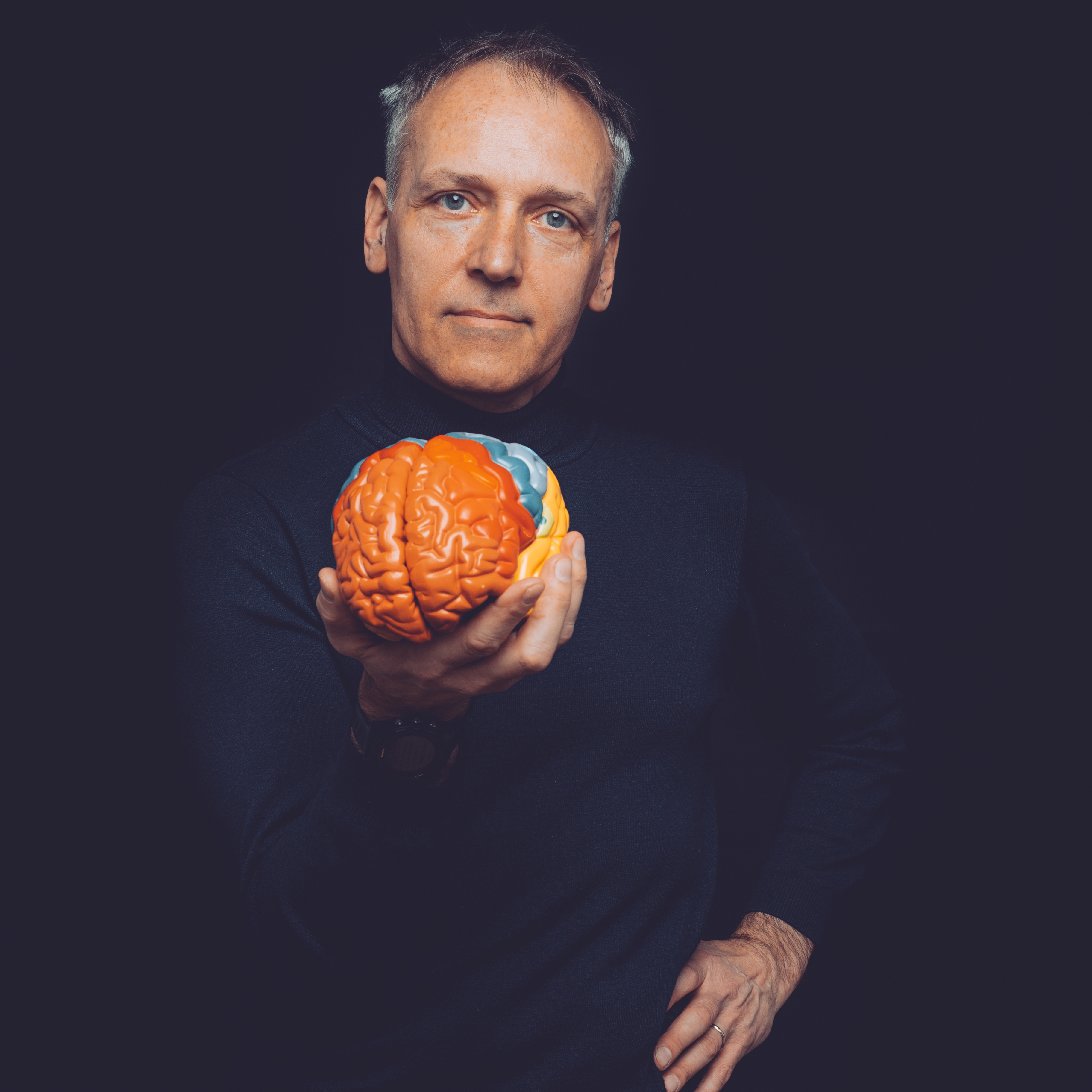
Tauri Tallermaa
Memory coach and trainer
Tauri Tallermaa is a qualified accountant, but he also has professional experience in both the finance and marketing sectors. In 2001, he joined the Speed Reading School team and, a year later, after meeting eight-time World Memory Champion Dominic O’Brien, he learnt memory techniques and began conducting memory training sessions. Memory-related topics are primarily linked to attention and concentration, which is why there has been an increasing focus on training these skills in today’s fast-paced world. In addition, he provides training on systematic thinking and revision, communication and sales, negotiation and assertiveness, public speaking, and learning and teaching. He has written two books in Estonian on the subject of memory – “The Story of the Brain” (“Ajalugu”) was published in 2019, and “Rock, Paper, Scissors” (Kivi-paber-käärid”) in 2024.
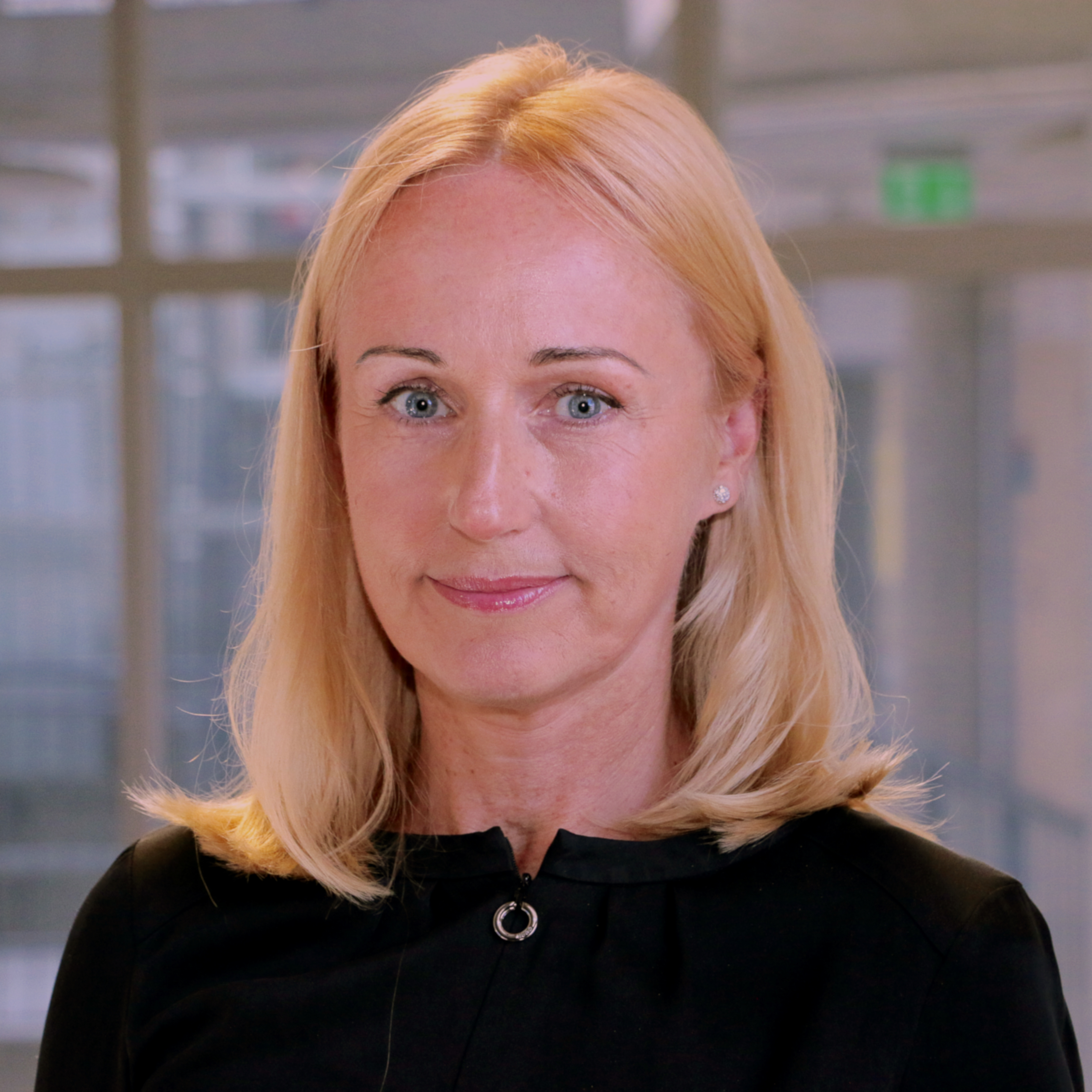
Õnne Uus
Lecturer in Educational Psychology, clinical psychologist, family therapist, member of the PeVa (Family and Parenting) research group at Tallinn University
Õnne Uus holds a master’s degree in psychology and a PhD in educational sciences and she works as a lecturer in educational psychology at the Institute of Educational Sciences. She has long worked as a clinical psychologist in collaboration with Tartu University Hospital (Centre for Genetics and Rare Diseases) and at Tallinn Children’s Hospital. She also works as a family psychotherapist, including with children with individual differences and disabilities and their parents.
Õnne Uus’s passion lies in the psychological development and maturation of the mind, as understood by psychology, and the necessary conditions that enable learning. Her focus is on executive functions and the crucial role that the learning environment plays in meaningful learning. Õnne researches and teaches how the family, the teacher, peers and the learner themselves can influence what goes on in the learner’s mind and how their memory works.
She knows that learning is amzing, a life-changing experience.
Õnne Uus’s strength lies in sharing evidence-based knowledge on how best to utilise the human brain’s cognitive abilities at every moment, so that what has been learnt can be applied in the future and the knowledge acquired can be continuously expanded upon.
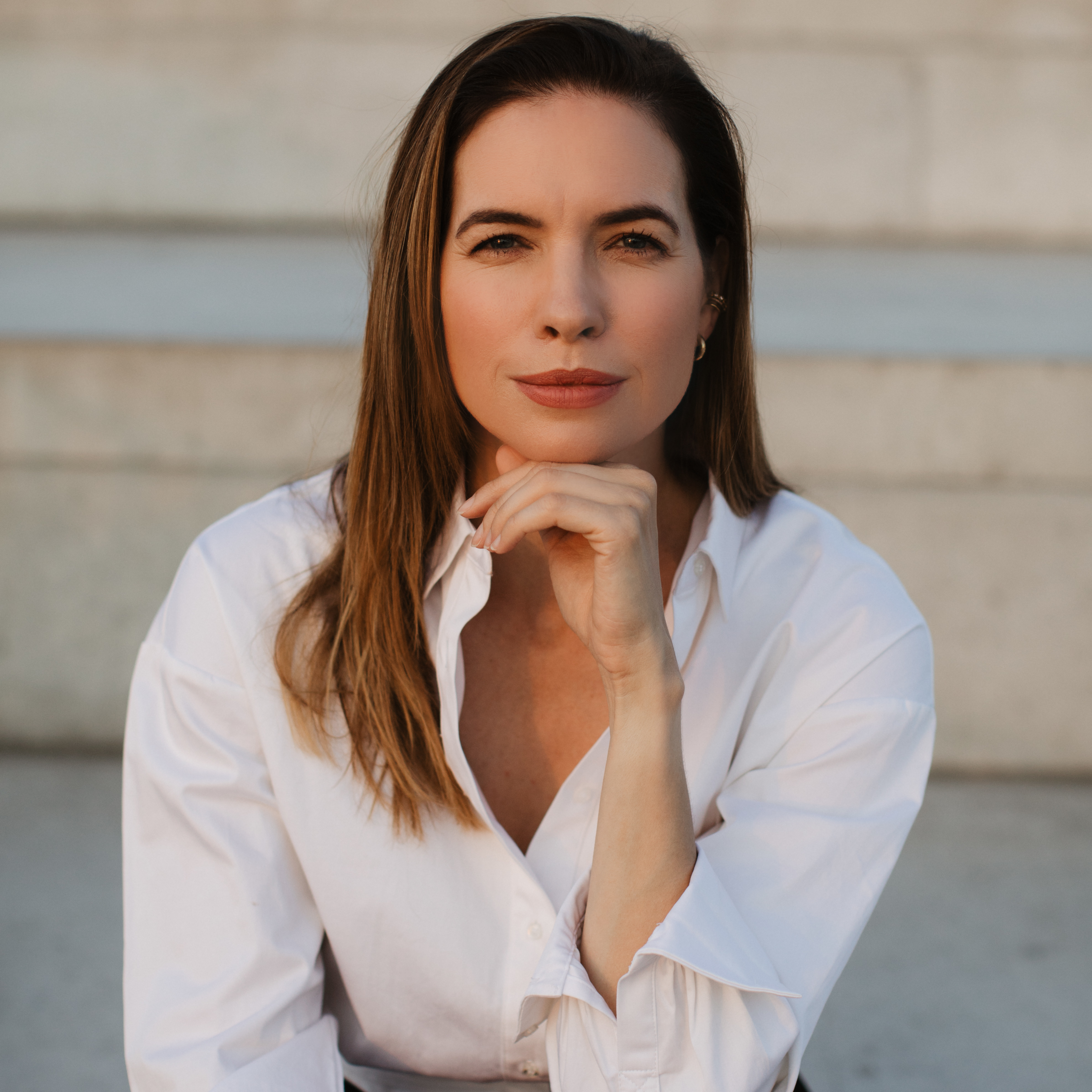
Liisi Koikson
Parent, singer
For most of her life, Liisi Koikson has described herself as a singer and performer. This year marks her tenth year as a mother. Whilst she used to be able to showcase what she’s good at in front of others, recent years have shown that the role of a parent mercilessly exposes her shortcomings in everyday situations.
The greatest lesson she has learnt whilst growing up alongside her children has been understanding how to truly support them whilst still leaving herself some breathing space. She wouldn’t dare give anyone advice, as we all have such different life stories. However, she must share her experience – and perhaps someone will nod in recognition. Sometimes that is enough.
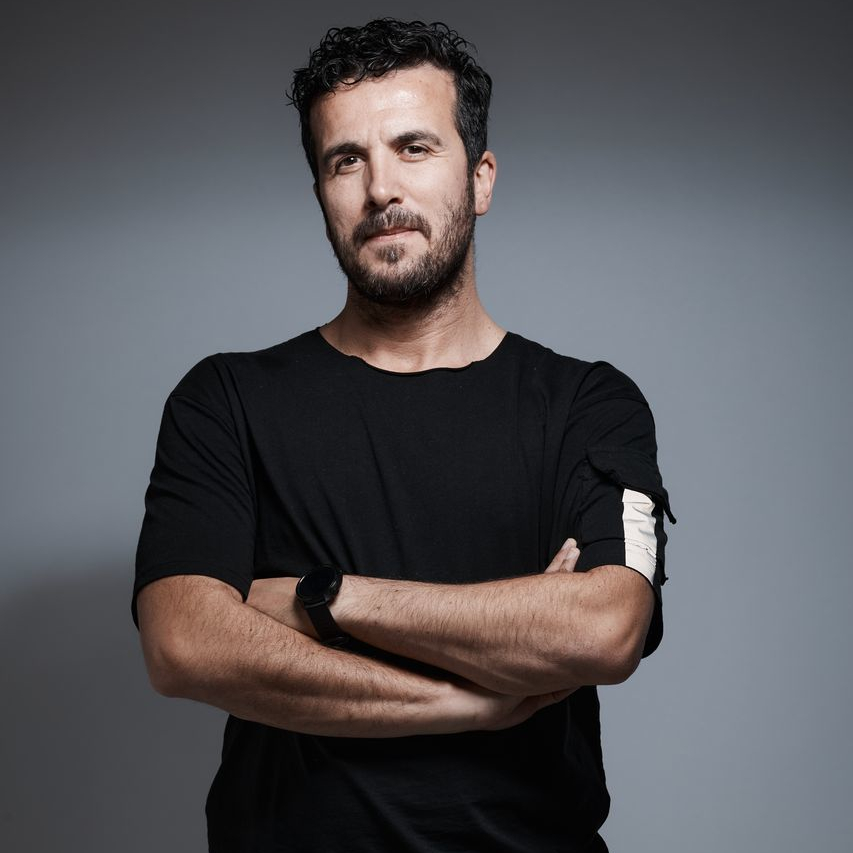
Mustafa Çelik
Parent, television operator
I have been living in Estonia for 18 years now. Right from the start, I began working as a camera operator at Eesti Televisioon, and during that time I have been involved in many of the biggest and most important projects on the Estonian television scene. I have worked on programmes such as ‘Terevisioon’, ‘Pealtnägija’, ‘Eesti Laul’ and ‘Eesti otsib superstaari’, as well as serving as a camera operator at the Song and Dance Festival, the Anniversary of the Republic of Estonia parade and many other major events and television programmes.
Alongside all this, it is important to me to be a good father and to contribute to society. I consider myself a hard-working, conscientious and open-minded Estonian. I have deep ties to Estonia and can honestly say that I consider myself an Estonian patriot.
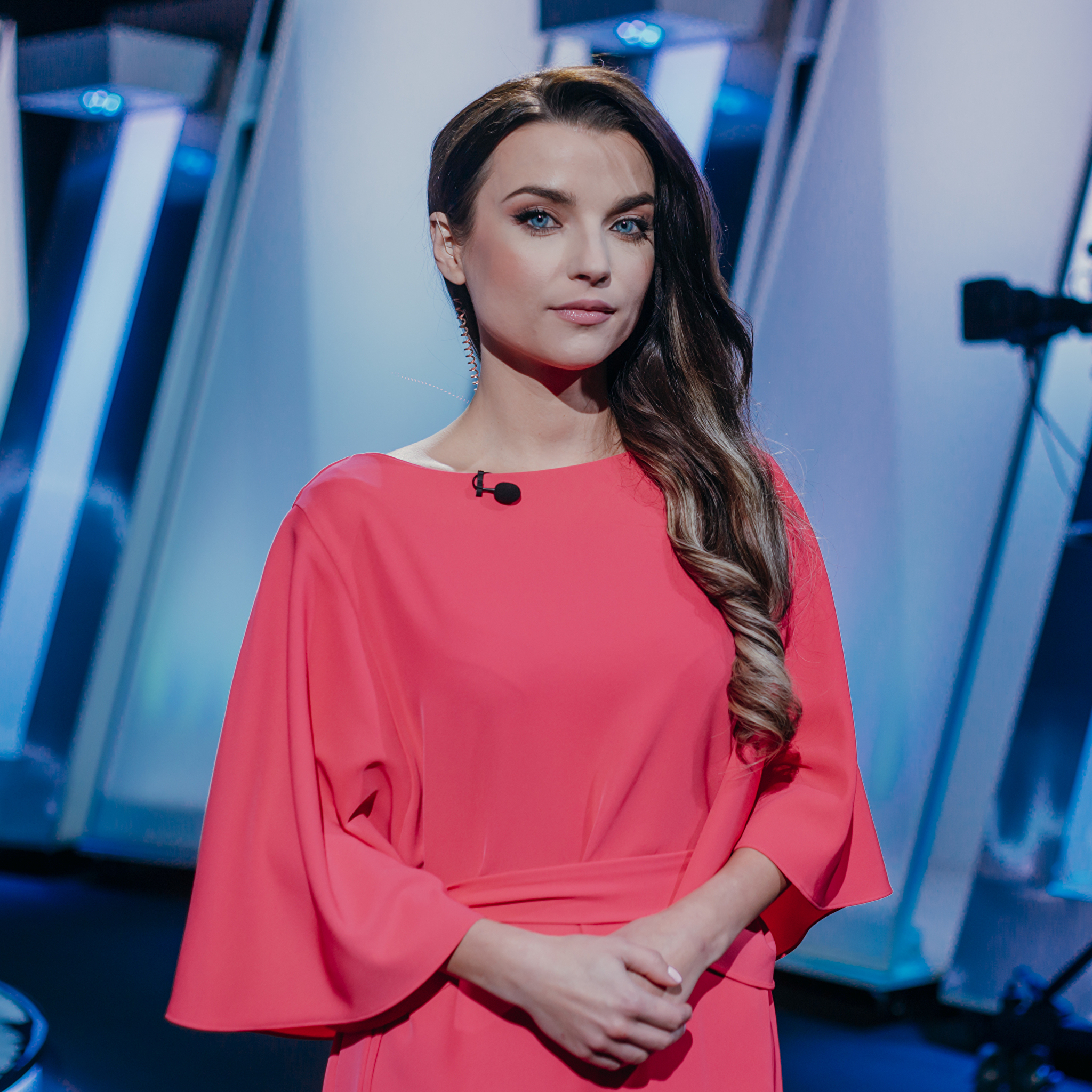
Uljana Kuzmina
Parent, ERR television journalist
Uljana Kuzmina has been working as a television journalist for 19 years and, in recent years, has done so in both Estonian and Russian. Over the years, she has worked in news and become the sort of person who is only ever late in her worst nightmares; she has conducted interviews and learnt to listen to people; and she has hosted hours-long live broadcasts, which have taught her to work under intense pressure whilst retaining her sense of humour.
“I have the funniest mum,” says her nine-year-old son when Uljana helps him with his schoolwork. Without a sense of humour, it would indeed be difficult, as her son attends an Estonian-speaking school and one might say that Uljana is also learning a little alongside him at primary school. In any case, thanks to her son, her Estonian vocabulary has become noticeably richer in recent years, and she has learnt that it’s perfectly normal for a mum to say: ‘I don’t know, let’s have a look together.’
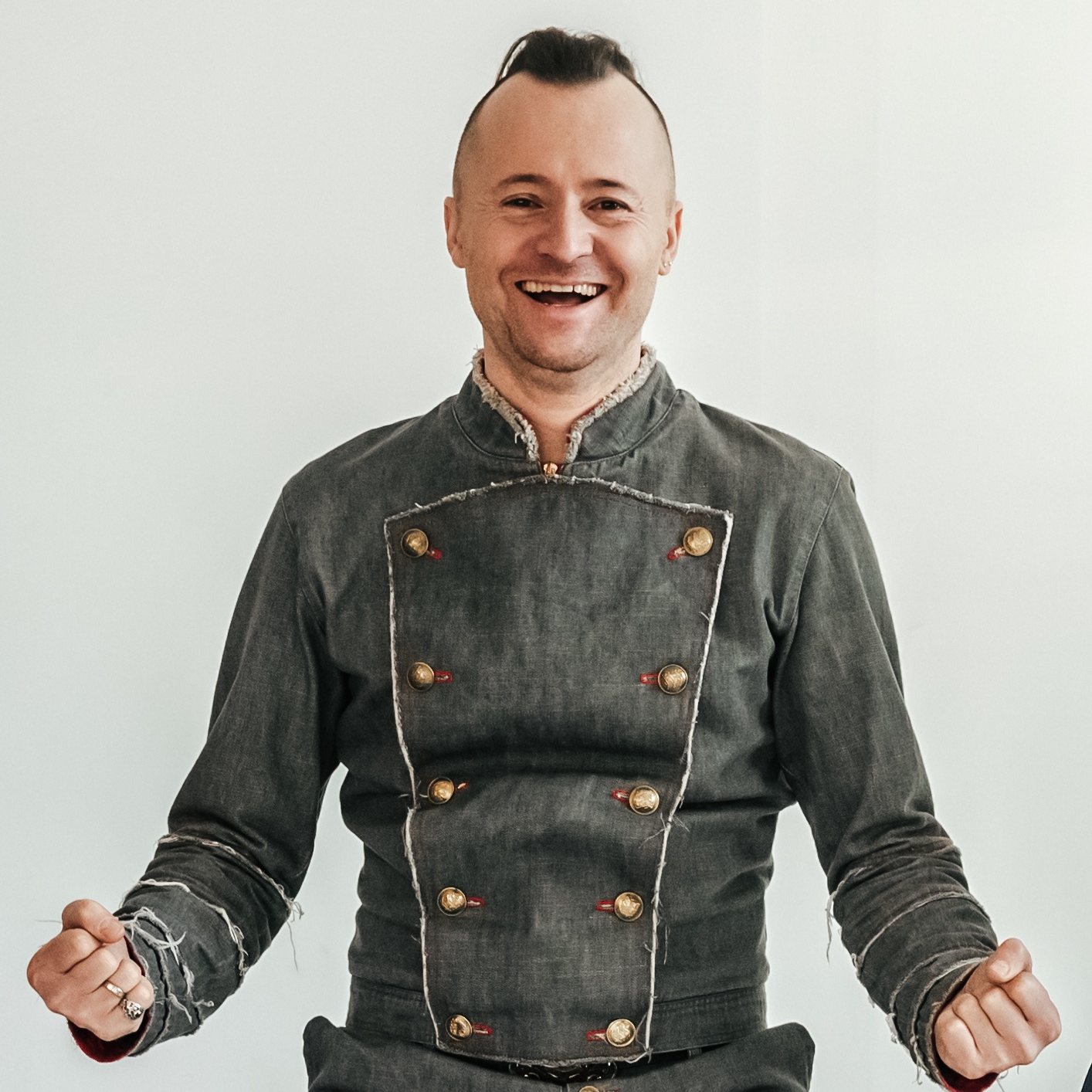
Ruslan Trochynskyi
Parent, musician, music teacher
Ruslan Trochynskyi was born in Ukraine and studied music at the Ukrainian National Academy of Music in Kyiv. He has lived and worked in Estonia since 2004 and is an Estonian citizen.
Ruslan has three children in his bilingual family, with whom he celebrates the important festivals and traditions of both cultures.
In 2005, he founded the Estonian-Ukrainian folk rock band Svjata Vatra, with which he has performed in 23 countries around the world. In addition, he has performed at numerous local authority events alongside his daughter, Rute Trochynsky. In collaboration with the Estonian Traditional Music Centre and Eesti Kontsert, Ruslan has been giving lecture-concerts in schools and kindergartens for nearly 20 years. He has worked as a music teacher in a general education school for seven years.
As a musician, music teacher and parent, Ruslan has gained a wide-ranging experience and an overview of what is happening across Estonia in these areas.
The activities will be carried out within the framework of the Swiss-Estonian cooperation program's support measure "Social Inclusion programme" and the Ministry of Education and Research's program component "Improving the Competence of Education Sector Employees to Work in a Multilingual and Multicultural Environment." The period of activities is 01.06.2024–31.05.2028.
Supported by the Swiss contribution to reducing economic and social disparities in the EU

Last updated: 12.10.2026
